
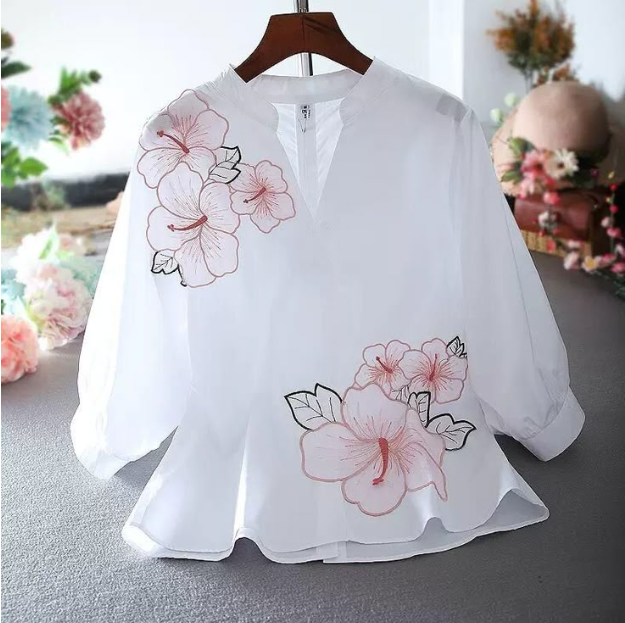
Embroidery printing is a unique blend of stitching and design. It transforms plain fabrics into vibrant, textured pieces. This technique is widely used for custom apparel, corporate merchandise, and promotional items. The process involves using threads and machines to create patterns on fabric. Understanding the basics helps in identifying what drives the cost of an embroidery printing project. Factors like design complexity, fabric type, and thread quality all play a role in shaping the final price.
Design Complexity in Embroidery Printing
The complexity of a design is one of the most influential cost factors in embroidery printing. Intricate patterns with numerous details require more time and precision. Machines may need extra programming, and operators often spend longer monitoring the stitching process. Simple logos or text are quicker and cheaper to produce. When planning embroidery printing, evaluating the level of detail helps in estimating both time and expenses. The more complex the design, the higher the cost of embroidery printing.
Fabric Choices That Affect Cost
The type of fabric used can significantly impact embroidery printing costs. Thick or textured materials like denim and fleece need specialized needles and extra stabilizers. Lightweight fabrics like cotton or polyester are easier to work with but may require careful handling to avoid puckering. Each fabric reacts differently to thread tension and machine speed. Choosing the right fabric not only ensures quality but also affects the price. The final cost of embroidery printing often reflects the fabric’s adaptability and handling requirements.
Thread Selection and Its Influence on Pricing
Thread selection is another key cost driver in embroidery printing. High-quality threads such as polyester or rayon provide durability and sheen but are more expensive. Specialty threads, including metallic or glow-in-the-dark, further increase costs. The number of colors in the design also matters. More colors mean more thread changes, which take time and raise labor costs. Therefore, thoughtful thread choices can balance quality with budget in any embroidery printing project.
Machine Capabilities and Labor Costs
The machinery and labor involved in embroidery printing directly influence the project cost. Modern machines handle complex designs faster and with greater precision, but they are costly to maintain. Manual or semi-automatic setups require more operator attention, increasing labor expenses. Skilled technicians are essential for maintaining quality, especially for large or intricate orders. As a result, machine type and labor intensity remain critical considerations in determining embroidery printing costs.
Order Size and Production Volume
The volume of the order also plays a significant role in pricing. Large orders often benefit from economies of scale. The cost per piece can drop as setup costs are spread across more items. Smaller batches, however, require the same preparation effort but yield fewer units, making each piece more expensive. Planning the production volume carefully can optimize budgets and influence the overall cost of embroidery printing projects.
Conclusion
Cost factors in embroidery printing are diverse and interconnected. Design complexity, fabric choice, thread selection, machinery, labor, and order volume all shape the final price. Understanding these elements allows businesses and individuals to make informed decisions and get the best value for their projects. By evaluating each factor, it is possible to balance quality, aesthetics, and budget. Embroidery printing is both an art and an investment, and careful planning ensures that the results are worth every penny.